
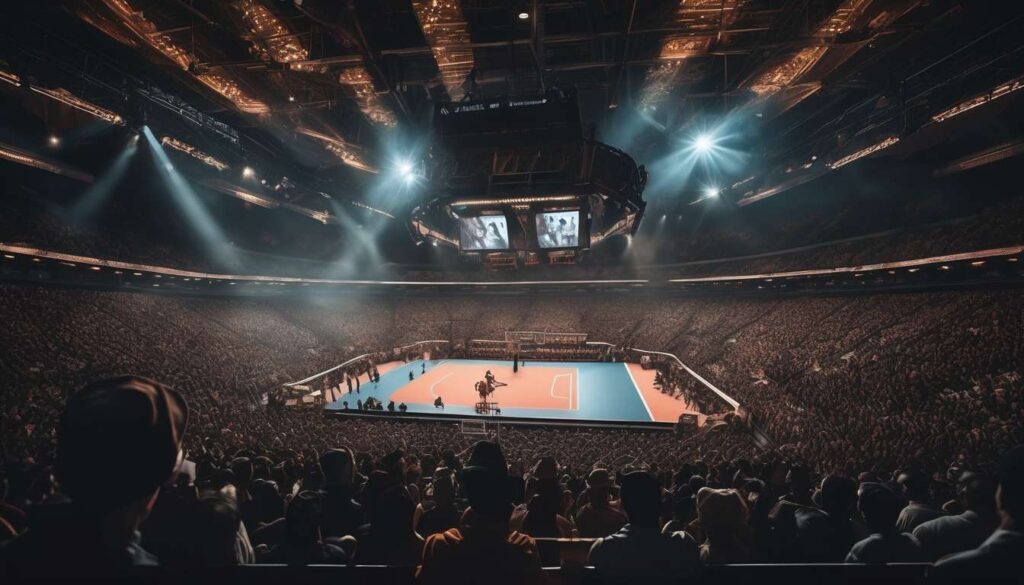
In the world of sports and entertainment, we often find ourselves captivated by the spectacle of the main event. It’s the headline act that draws us in, promising high stakes and unforgettable moments. However, as enthusiasts and fans, we recognize that the undercard, often overlooked, plays a crucial role in setting the stage and building anticipation.
In our exploration of "Main Event vs. Undercard: 7 Contrasts to Know," we delve into the distinct elements that differentiate these two aspects of any event. Together, we will uncover how each contributes uniquely to the overall experience, from the level of competition to the audience’s engagement.
Key Contrasts to Explore:
-
Level of Competition:
- Main events typically feature high-profile competitors.
- Undercards often showcase rising talents or less established names.
-
Audience Engagement:
- Main events draw the largest crowds and media attention.
- Undercards help build excitement and momentum leading up to the main act.
-
Event Promotion:
- Marketing efforts focus heavily on the main event.
- Undercards receive less promotional attention but are crucial for a well-rounded program.
-
Pacing and Structure:
- Main events are usually the climax of the evening.
- Undercards are strategically placed to maintain interest and energy.
-
Financial Implications:
- Main events typically generate higher revenue from ticket sales and broadcasting rights.
- Undercards provide value by offering a full evening of entertainment.
-
Role in Talent Development:
- Main events feature established stars.
- Undercards are vital for showcasing new talent and future stars.
-
Memorable Moments:
- Main events are designed to deliver the pinnacle of excitement.
- Undercards, while less highlighted, can offer surprising and memorable performances.
By understanding these contrasts, we gain a deeper appreciation for the intricate dynamics at play and the art of crafting a memorable program. Join us as we navigate through these differences, enhancing our appreciation for the diverse roles that shape our favorite events.
Competitive Dynamics
In analyzing competitive dynamics, we often see the main event and undercard bouts displaying distinct levels of intensity and strategy.
Main Event:
- The main event commands a heightened sense of spectacle and anticipation.
- We’re drawn to the climactic energy that envelops these showdowns.
- Every move is calculated, and the stakes are magnified.
- It is not just a fight; it’s a culmination of storylines and rivalries that have captured our collective imagination.
Undercard:
- The undercard serves as a stage for emerging talents to showcase their skills and potentially steal the spotlight.
- These bouts display raw, unfiltered passion and the desire to climb the ranks.
- The undercard offers unpredictability and the chance for audiences to witness the rise of future stars.
Together, these components create a rich tapestry of excitement and engagement, making us feel like part of something greater.
Audience Connection
We find ourselves deeply invested in the stories and emotions unfolding in the ring, as each match resonates with our shared experiences and aspirations.
The main event captures our attention with its high stakes and prominent figures, creating a powerful audience connection. We cheer and gasp in unison, united by the anticipation of a defining moment. This connection is not only about the spectacle but also about the shared journey and triumphs of the competitors we admire.
In contrast, the undercard might not initially draw the same level of excitement, but it holds its own charm.
These matches often surprise us, introducing rising stars and unexpected narratives that can resonate deeply with our desire for discovery and growth. The undercard fosters a different kind of connection, one rooted in potential and the thrill of witnessing the future unfold before our eyes.
Together, both the main event and undercard enrich our experience, enhancing our sense of community and belonging in the world of wrestling.
Promotional Strategies
Effective promotional strategies captivate us by building anticipation and engagement for both the main event and undercard matches. It’s crucial that we recognize how these strategies draw us in, making us feel part of something larger.
Key Elements of Successful Promotions:
-
Emphasis on the Main Event:
- Promotions spotlight the drama, rivalries, and stories, promising an unforgettable experience.
-
Inclusion of Undercard Matches:
- These matches create a diverse viewing experience, allowing us to connect with emerging talents and stories that might otherwise go unnoticed.
Promoters cleverly weave narratives that resonate with our emotions, ensuring our loyalty and interest. They use a combination of:
- Teasers
- Social media campaigns
- Interactive content
These tools cultivate an audience connection that makes us feel included and valued.
The Journey from Undercard to Main Event:
-
Building Anticipation:
- As we follow the journey from undercard to main event, we become part of a community eager to witness these moments.
-
Ensuring Engagement:
- When done right, these strategies ensure we’re not just spectators but active participants in the excitement.
Ultimately, effective promotional strategies allow us to feel like we are more than mere observers; we are integral parts of the unfolding drama.
Event Flow and Timing
A well-structured event flow ensures we stay engaged and excited from start to finish. Timing plays a crucial role in keeping us connected to the energy and atmosphere of a live event.
The Undercard:
- Sets the stage
- Gradually builds anticipation and excitement
- Acts as a warm-up
- Allows us to settle in and find our place among fellow attendees
- Fosters a sense of belonging
Transition to the Main Event:
- Needs to be smooth
- Keeps our attention focused
- Heightens our emotions
A well-timed main event makes us feel part of something larger, forging a deeper audience connection. We’re not just spectators; we’re part of a collective journey.
Proper Pacing:
- Allows us to savor each moment
- Ensures the climax is both memorable and satisfying
Together, we experience the crescendo of the evening, unified in our shared excitement.
Financial Impact
The financial impact of an event depends significantly on how well both the main event and the undercard are marketed and executed.
We understand that creating a strong audience connection is crucial. It’s not just about the headlining act; the undercard plays a vital role in building anticipation and setting the stage. When we invest equally in the promotion and quality of both elements, we cultivate a sense of belonging among attendees who feel valued from start to finish.
Key Points to Consider:
- The main event draws the crowd.
- A well-curated undercard can enhance the experience.
- Increased merchandise and concession sales may result.
We all want to be part of something memorable. When the entire lineup is engaging, the financial rewards follow.
By ensuring that every part of the event resonates with our audience, we create loyalty that extends beyond a single night. This leads to future financial success and a growing community.
Talent Spotlight
Highlighting exceptional talent at every level of the lineup ensures we captivate and engage our audience from start to finish.
When we focus on both main event headliners and rising stars on the undercard, we create a dynamic experience that resonates with everyone.
-
Main Event: Offers seasoned performers who have honed their craft, drawing in fans with their established reputations and exciting the crowd with their mastery.
-
Undercard: Showcases fresh faces and new stories, offering a glimpse into the future and allowing us to foster a deeper audience connection. These performers, eager to prove themselves, bring a raw energy that’s infectious and builds anticipation for what’s to come.
By celebrating talent across the board, we not only honor the legacy of those at the top but also nurture the dreams of those climbing the ranks.
Together, we form a community that thrives on shared experiences, ensuring everyone feels a part of something special.
Unforgettable Moments
Every event has those electrifying moments that stay with us long after the lights have dimmed. Whether it’s the main event or an undercard bout, these unforgettable moments weave a connection between the performers and us, the audience. We cheer, we gasp, and we hold our breath in unison, creating a shared experience that unites us.
In the main event, the stakes are high, and every move can become legendary.
- We remember the roar of the crowd as a champion prevails or an unexpected twist leaves us speechless.
- These are the stories we retell, bonding us with fellow fans who experienced the same thrill.
Yet, the undercard can be just as memorable.
- Often, it’s where we discover hidden gems—underdogs rising, showcasing raw passion and talent.
- These moments build an authentic audience connection, reminding us that greatness can emerge from any part of the event.
In both the main event and undercard, unforgettable moments are the heart of our shared journey.
Program Composition
Crafting a Compelling Program
Crafting a compelling program requires a careful balance of showcasing established stars and introducing emerging talent. As we curate the perfect mix for our events, it’s crucial to remember that both the main event and undercard play vital roles in creating a memorable experience for everyone involved. We know our audience is looking for that strong connection, and it’s our mission to deliver.
The Main Event
The main event, with its high stakes and renowned performers, draws us in. It serves as the centerpiece that captivates the audience and sets the tone for the entire event.
The Undercard
The undercard is where new stories begin to unfold. It’s not just a warm-up; it’s the foundation of excitement and anticipation. The undercard provides:
- Discovery of fresh faces
- Unexpected surprises that can electrify the crowd
- A sense of community as we witness the rise of future stars
Creating Resonance
By weaving together these layers, we create a program that resonates deeply. This ensures every attendee feels they’re part of something special, bridging the gap between the known and the new.
How do fighters prepare differently for a main event versus an undercard match?
When fighters prepare for a main event, they approach it with distinct strategies:
-
Intensive Training: The training regimen is often more rigorous and specialized to ensure peak physical condition.
-
Mental Preparation: Fighters engage in mental conditioning to handle the pressure and expectations of a main event.
-
Specific Game Plans: Strategies are meticulously crafted to counter the opponent’s strengths and exploit their weaknesses.
In contrast, preparation for an undercard match involves:
-
Hard Training: While still demanding, the training may not be as specialized due to less time and fewer resources.
-
Skill Showcase: The focus is on demonstrating skills and techniques to stand out, given the reduced spotlight.
-
Memorable Impression: Fighters aim to leave a lasting impression on the audience and promoters, which can pave the way for future main event opportunities.
Overall, while both scenarios require dedication and effort, the emphasis and strategies differ based on the event’s prominence and the fighter’s goals.
What are the historical origins of the main event and undercard structure in combat sports?
Historical Roots of Main Event and Undercard Setup in Combat Sports
The tradition of organizing fights into a main event and undercard dates back to the early days of organized combat sports.
Main Event:
- Featured the most skilled and anticipated fighters.
- Drew the most attention and was the highlight of the event.
Undercard Matches:
- Designed to showcase emerging talent.
- Provided entertainment while fans waited for the main event.
This structure has evolved over time, influencing the modern fight card format we see today.
How does the psychological pressure differ for athletes participating in the main event compared to those on the undercard?
When it comes to psychological pressure in sports, the main event athletes face a different level of intensity compared to those on the undercard.
The spotlight shines brightest on the main event, leading to:
- Increased expectations
- Heightened scrutiny
As a team, we understand the unique challenges each group faces. We work together to support our fellow athletes through these varying pressures.
By recognizing these differences, we aim to provide tailored support that helps each athlete perform at their best, regardless of their position on the card.
Conclusion
In conclusion, understanding the contrasts between main events and undercards is crucial for event success.
There are several key aspects to consider:
-
Competitive Dynamics: Main events usually feature top-tier competitors, while undercards provide a platform for emerging talent.
-
Audience Connection: Main events often draw larger crowds due to the popularity of the headliners, whereas undercards can build a more niche following.
-
Promotional Strategies: Main events typically receive more marketing attention, but effectively promoting undercards can enhance the overall appeal of the event.
By recognizing these differences and leveraging them effectively, event organizers can create a well-balanced and engaging program. This approach ensures a lasting impact on both participants and spectators.